
By Anika Priyaranjan
Illustration by Keo Morakod Ung
In a world that prizes innovation and the next big thing, Taylor Swift has tapped into an economic force that is equally as powerful – nostalgia. Through her re-recorded albums, branded as “Taylor’s Version”, Swift has leveraged the reimagined version of the very songs that defined our youth. Her decision to re-record her earlier albums, following a high-profile dispute over the ownership of her original recordings, is more than just a legal or business move—it’s a strategic play on the economics of nostalgia, proving that the past can be just as profitable as the future. Underscoring the emotional pull of the past and its transformation into substantial economic value, Swift provides a unique case study in consumer behaviour, perceived value and market differentiation.
Nostalgia is a potent psychological trigger. It evokes fond memories of the past, often associated with simpler and happier times. In fact, a study found that 81% of consumers like it when brands bring back classic products and/or trends. This emotional connection which reminds them of their youth or significant life events, increases the perceived value of products, allowing companies – or in this case, artists – to charge premium prices. Swift’s re-releases capitalise on the emotional connections her audience formed with the original songs, thereby encouraging them to purchase these albums anew, stream the tracks, and even engage with associated merchandise. The economic outcome is significant; In its debut week, Speak Now (Taylor’s Version) sold nearly 507,000 copies, marking the largest sales frame of the year. To put it into perspective, Swift’s album outsold the combined sales of every other album on the Top 50 Album Sales chart—not just once, but twice over.
Swift’s approach goes beyond simply reissuing old music; it recontextualizes it. By imbuing her re-recordings as a reclamation of artistic autonomy, Swift adds a layer of meaning that enhances the nostalgic value of her albums. This narrative transformation elevates these albums from mere music to symbols of empowerment and resilience. Fans are not just buying songs—they are supporting Swift’s journey for ownership and aligning themselves with her story. This added context boosts the perceived value, driving a higher willingness to pay among consumers. Additionally, these re-recordings are a masterclass in market differentiation. By reintroducing her albums with a new narrative,Swift differentiates “Taylor’s Versions” from the originals. This strategy illustrates how companies and artists can enhance product value through strong emotional and symbolic associations, creating a unique market niche.
The implications of Swift’s nostalgic appeal extends well beyond album sales. Her re-recorded albums have revitalised interest in her entire discography, boosting streaming activity. For instance, after Swift’s announcement of 1989 (Taylor’s Version), streams of the original 1989 album doubled, jumping from around 6 million per day to over 14 million the next day. Streams reached 10.6 million on Friday (a 74% increase from the previous week) and 7.5 million on Saturday, maintaining higher levels than any day the previous week before the announcement. This surge exemplifies the network effect, where the value of Swift’s music grows as more people consume and share it, leading to further engagement and revenue.
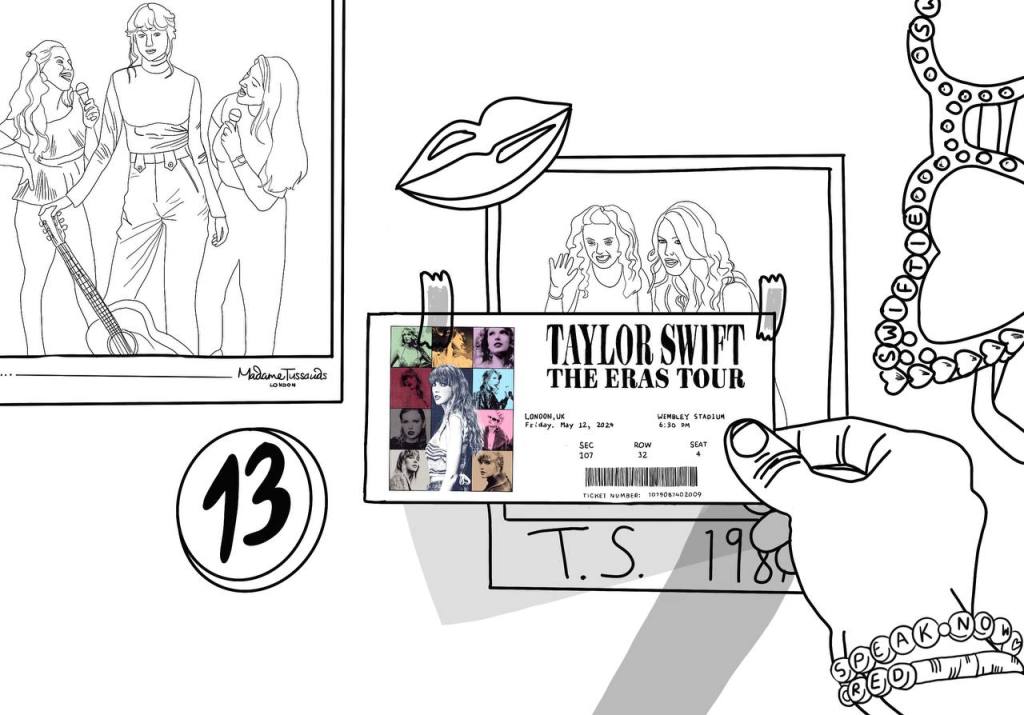
The ripple effect of her strategy is felt across various sectors, including merchandise sales and live events. Limited-edition vinyls of her re-recorded albums, often featuring retro designs, consistently sell out, contributing to a broader resurgence of vinyl sales. In 2023, Swift’s 1989 (Taylor’s Version) sold 1.014 million copies in only a few months and became the only title to hit the million-sales mark on vinyl in the year. Furthermore, her concert tours, which integrate themes from her re-recorded albums, significantly boost local economies. The Eras Tour grossed over $1 billion in ticket sales, becoming the first tour to cross the mark, and contributed millions to city economies through increased demand for services such as hospitality, transportation, and retail. While every $100 spent on live performances generates an estimated $300 in ancillary local spending, Swifties have dropped an estimated $1,300-$1,500 on things like outfits, merchandise, dining and travel. The economic impact of the tour was so profound that the term “Swiftonomics” was coined to describe the phenomenon.
Taylor Swift offers a blueprint for brands and artists looking to connect emotionally with their audience while achieving significant financial success. Industries from fashion to technology have long utilised nostalgia in marketing, whether through retro designs or reviving discontinued items. Swift’s approach, however, underscores the importance of storytelling in deepening a product’s nostalgic appeal, making it both more compelling and profitable. Ultimately, Taylor Swift’s journey reminds us of an essential truth: the past is not just a collection of memories; it’s a resource ripe for reimagining, repackaging, and monetizing. As businesses plan for future success, they should consider that the key might lie in yesterday’s memories.
Photo Credits:
Photo of Taylor Swift’s Eras Tour promotional poster (copyright author and owner is Taylor Swift / artist and designer unknown) can be found on wikipedia at https://en.wikipedia.org/wiki/File:The_Eras_Tour_poster.jpg
UCL Rethink Econ (URE) does NOT own the original photo. URE uses a low-resolution and cropped version of the original poster found on Wikipedia. URE’s use of the image is strictly for educational purposes and NOT for commercial use
 UCL Rethinking Economics
